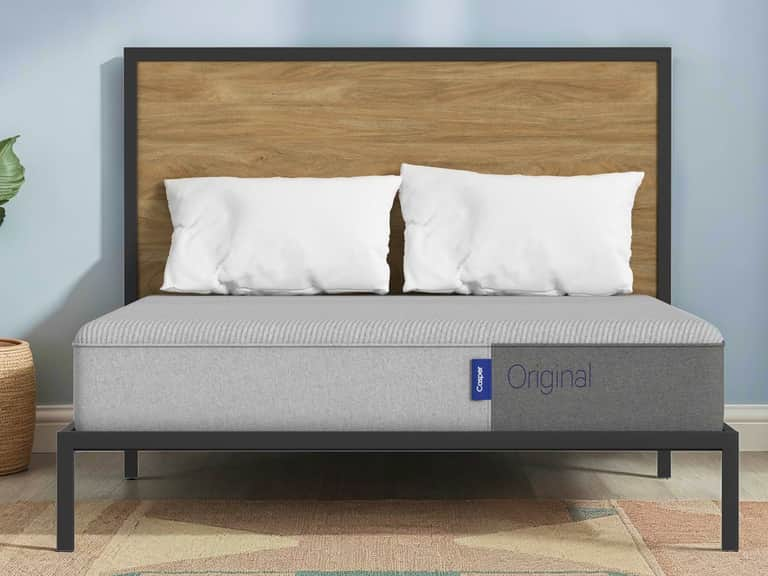
Choosing an Organic Mattress: A Clear Guide to Comfort and Health
A thoughtful sleep setup starts with a mattress that respects both your body and the planet. This guide unpacks what makes a mattress truly organic, why certifications matter, and how to compare models from trusted brands without falling for marketing fluff. From materials and comfort to durability and temperature regulation, you’ll learn to pick an organic mattress that supports better sleep, healthier living, and a calmer home environment.
What makes a mattress organic?
Organic mattresses are designed with materials sourced and processed to minimize synthetic chemicals, typically prioritizing natural or responsibly produced foams, latex, cotton, wool, and other fibers. The idea is not merely label appeal, but a holistic approach to comfort and health that reduces exposure to potentially harmful additives while maintaining durability and performance.
In practice, an organic mattress often emphasizes these core elements:
- Certified organic textiles for covers and comfort layers, reducing pesticide residues and synthetic additives.
- Natural or certified organic foams and latex that meet strict performance standards without compromising safety.
- Low-VOC adhesives and finishes to limit off-gassing and indoor air pollution.
- Transparent sourcing and production practices that trace materials from farm to foam lab to your bedroom.
Certifications to look for
Certifications act as independent proof that a mattress adheres to defined standards for organic content, sustainability, and safety. While the industry uses several labels, a few have stood the test of time for clarity and credibility:
- GOTS (Global Organic Textile Standard): Applies to textiles like covers and fabric components, ensuring organic fiber content, low pesticide use, and fair manufacturing practices.
- GOLS (Global Organic Latex Standard): Focuses on organic latex materials, confirming organic content and responsible latex processing.
- Certifications for foams: Some brands pursue certifications that attest to the absence or limited presence of certain chemicals, or rely on third-party safety testing to confirm performance without harmful additives.
- GREENGUARD Gold or similar air-quality marks: Indicate low chemical emissions, supporting healthier indoor environments.
Understanding these certifications helps you distinguish product claims from genuine environmental and health commitments. Remember that a mattress may sport one or more labels; together they tell a broader story about materials, processes, and overall product integrity.
Comparing trusted organic brands
When you’re evaluating organic mattresses, focus on material composition, support level, temperature regulation, and durability. Below is a practical contrast between two well-regarded options that frequently appear in consumer research and sleep-health discussions:
- Sleep and Beyond often emphasizes natural fibers and organic finishes, offering models that incorporate organic cotton covers, wool or latex comfort layers, and transparent labeling about fiber origins. Their approach tends to favor breathable, temperature-moderating surfaces with a strong emphasis on natural materials and long-term hygiene.
- Naturepedic typically highlights organic composition across multiple sleep layers, balancing comfort with proven organic materials. Their products commonly showcase durable encasements, sustainable processing, and a clear commitment to minimizing chemical exposure in both fabrics and foams.
When comparing, consider these practical questions: What percentage of the comfort layer is organic? Are the foams certified to a recognized standard or verified by third-party testing? How do the cover fabrics feel against the skin, and what temperature regulation properties do they offer?
Cost, value, and long-term sustainability
Organic mattresses can carry a higher upfront price, but their value often translates into longer lifespans, improved indoor air quality, and fewer chemical exposures that matter for sensitive sleepers. When evaluating cost, weigh the total ownership experience: durability of the cover and comfort layers, replacement or repair options, and the presence of robust certifications that back up material claims.
To make the investment feel sensible, look for transparent warranty terms, clear density or fiber content disclosures, and explicit information about venting and cooling properties. A mattress that maintains shape and support over many years saves you money in the long run and contributes to a calmer sleeping environment with less off-gassing during the initial months.
Materials, comfort, and sleep positions
Organic mattresses typically blend several layers to achieve balanced support, contouring, and temperature control. A common pattern includes a breathable cover, a comfort layer that may be latex or a natural foam alternative, and a support core designed to sustain spinal alignment. Some models also incorporate wool or cotton blends for natural moisture wicking and additional softness without sacrificing structure.
Consider your preferred sleep position as you assess comfort and support. Side sleepers often benefit from a slightly plusher top layer that relieves shoulder pressure, while back sleepers may value more uniform zoning to support the lumbar region. Stomach sleepers sometimes require a firmer surface to prevent excessive extension. In organic configurations, the choice of comfort layer—latex, natural foam, or blended fibers—can influence responsiveness, cooling, and pressure relief in nuanced ways.
Certification checklist for your organic mattress search
- Verify GOTS certification for textiles used in the mattress cover and any fabric layers.
- Check for GOLS certification if latex is used in the comfort layers.
- Look for independent tests or third-party verifications that attest to low VOC emissions and air quality.
- Seek detailed material disclosures, including foam density, density zoning, and the origin of fibers.
- Read warranty terms carefully to understand what happens if the material settles or loses support over time.
Armed with this checklist, you can approach organic mattress shopping with clarity, ensuring that your choices align with health-minded goals and long-term comfort.
Product spotlight: Latex & Wool Pillow (4703)
Product note
Latex & Wool Pillow from Sachi Organics combines a latex core with temperature-regulating wool, wrapped in organic cotton sateen. It offers adjustable loft via a zipper for personalized support and aims to maintain shape through year-round use.
Key features
- Adjustable loft with zipper for customized firmness
- Latex core paired with temperature-regulating wool
- Organic cotton sateen cover for a breathable surface
- Durable construction designed for long-term comfort
This pillow aligns with an organic bedding approach by prioritizing natural materials and responsible production. It’s a practical example of how organic fibers can influence comfort, temperature regulation, and sleep quality without resorting to synthetic additives.
Price: $346.50
Link: Latex & Wool Pillow
A thoughtful path to better sleep health
Choosing an organic mattress is ultimately about aligning sleep quality with health and environmental considerations. By prioritizing certifications, understanding material science, and assessing comfort in light of your preferred sleeping positions, you can select a model that delivers both peace of mind and restorative nights. The brands highlighted here—Sleep and Beyond and Naturepedic—represent approaches that emphasize natural materials, transparency, and durable performance without overwhelming consumers with hype.
As you continue your journey, remember that the best mattress is the one that helps you wake up refreshed, without compromising your well-being or the environment. Organic bedding is more than a trend; it’s a commitment to healthier sleep, fewer toxins in your living space, and a simplified approach to choosing products that truly support your daily life.
Next steps
- Review your current sleep environment: curtains, humidity, and temperature control can interact with mattress materials to influence comfort.
- Compile a short list of organic brands and certifications you trust, then compare materials, comfort layers, and cover fabrics.
- Ask retailers for full material disclosures and third-party verification documents before making a final decision.
For readers who want a practical starting point, explore the product spotlight above and consider how a natural pillow choice can complement an organic mattress in forming a holistic sleep system.