Blankets are bedding layers used to provide warmth, comfort, and adaptable coverage during rest. Their role differs from that of mattresses and pillows: a blanket rests above the sleeper and can be added or removed as room temperature changes. Material, weight, weave, and size influence insulation, breathability, and everyday usability.
Blanket fibers affect how heat and moisture move around the body. Wool is valued for temperature regulation, while cotton and other plant-based fibers are often chosen for a lighter, breathable feel. Construction also matters: woven, knitted, and quilted designs have distinct textures and levels of drape, making them suitable for different climates and sleeping preferences.
Blankets form one part of a bedding system that may also include sheets, pillows, and a supportive mattress. Memory foam pillows are designed to contour around the head and neck, whereas blankets provide surface warmth. Choosing layers with compatible care requirements and comfort properties can help create a practical, comfortable sleep environment.
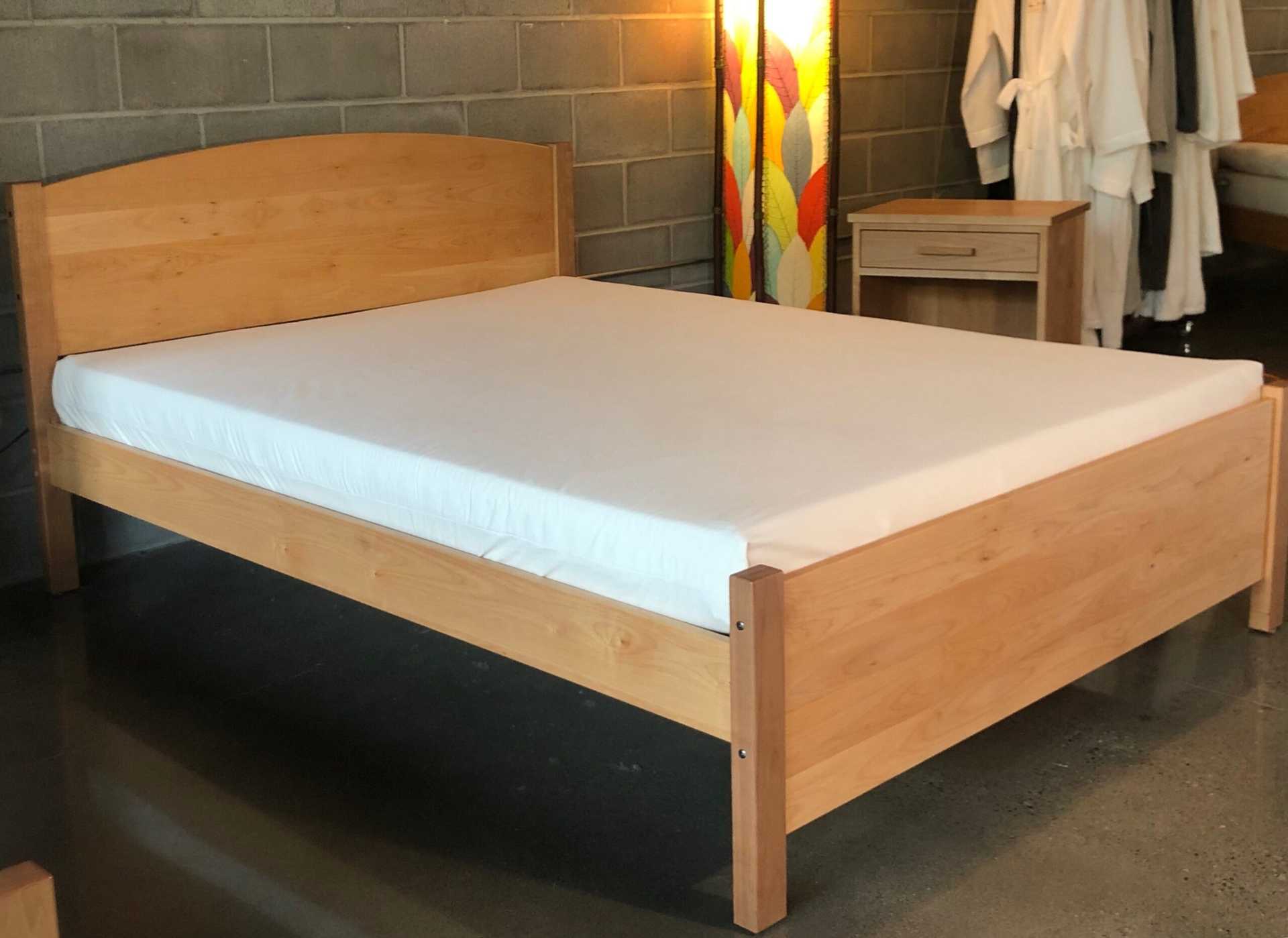
The Natural Wool & Latex Mattress 6.5 Inch is a related bedding product rather than a blanket. Its listed materials are natural wool and latex, with a 6.5-inch profile. These materials serve different functions within a sleep surface: latex provides cushioning support, while wool can contribute a natural insulating layer.
When comparing bedding, consider material sensitivities, temperature needs, maintenance instructions, and how each item works with the rest of the sleep setup. Organic mattresses and latex products may be relevant to people researching natural materials, while blankets address flexible warmth. Understanding these distinctions helps clarify the purpose of each bedding layer.
 Bedding