Innerspring mattresses use a system of metal coils to support the body, often combined with cushioning layers for comfort. Their construction can provide a responsive feel and airflow through the mattress core. Coil design, padding materials, and firmness all influence how an innerspring mattress feels and performs.
Coil arrangements vary, from interconnected spring units to individually wrapped coils. These designs affect support, motion transfer, and how the mattress responds to movement. Comfort layers may include cotton, wool, latex, or memory foam, allowing innerspring mattresses to combine spring-based support with different surface characteristics.
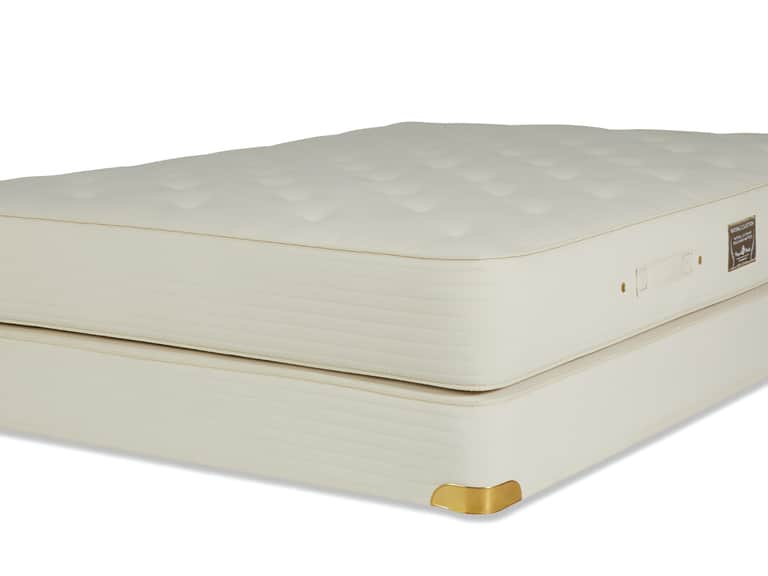
The Royal-Pedic Natural Cotton Mattress with Wool Wrap is an example of a mattress featuring natural cotton and a wool layer around its construction. Cotton offers a breathable upholstery material, while wool can help regulate temperature and cushion the surface. These materials are relevant to people comparing bedding and organic mattresses.
An Innerspring Mattress may suit sleepers who prefer a buoyant, responsive surface and a more traditional mattress feel. Its coil structure can support varied sleeping positions, while the surrounding padding affects pressure relief and comfort. Comparing firmness, coil type, and upholstery materials helps clarify how each model may meet individual needs.
Mattress choice is one part of a broader sleep setup that can include pillows and other bedding. Memory foam pillows, latex pillows, and innerspring mattresses use different materials and support characteristics. Considering temperature preferences, body support, and material sensitivities can help explain the practical differences between these sleep products.
 Innerspring Mattresses
