Kapok is a soft, lightweight plant fiber harvested from the seed pods of the kapok tree. In bedding, it is valued for its airy feel and natural loft, making it a distinctive pillow filling. Understanding kapok’s texture and support can help people compare it with memory foam pillows, latex, and other materials.
Kapok fibers create a fluffy, responsive surface that can be gently shifted to adjust a pillow’s shape. This adaptability may suit different sleeping positions and personal comfort preferences. Compared with denser fillings, kapok is notably light, while its cushioning offers an alternative for people evaluating materials used in pillows and organic mattresses.
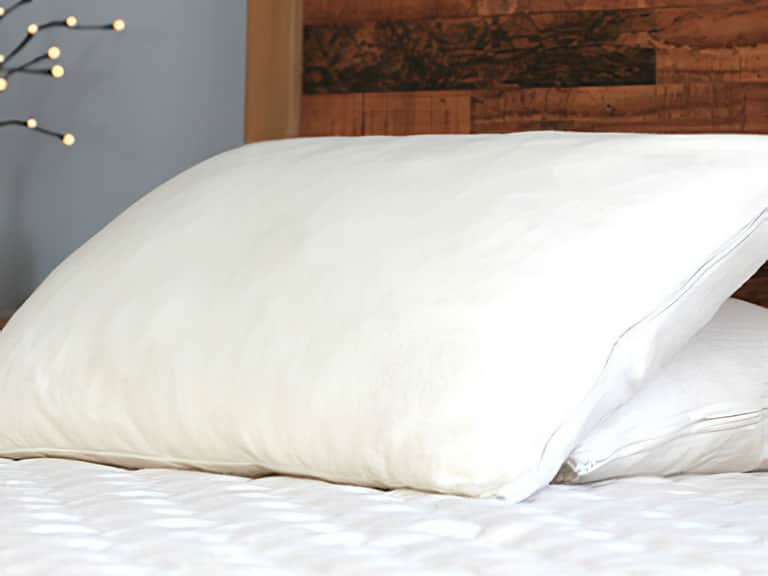
The Savvy Rest Organic Kapok Pillow combines kapok filling with a design intended for adjustable, cushioned support. Its plant-based fill provides a soft, lofty feel, and the pillow can be reshaped through use to suit individual preferences. These characteristics make it relevant to bedding discussions focused on natural materials and everyday comfort.
Kapok pillows are generally suited to people who prefer a light, plush feel rather than the close contouring associated with memory foam pillows. Their flexible filling can be fluffed or repositioned, helping users modify loft and surface shape. Pillow comfort depends on sleep posture, shoulder width, and preferred neck support, so material choice is personal.
When comparing kapok with latex or memory foam, consider firmness, resilience, weight, and how much shape adjustment is possible. Kapok offers a soft, airy alternative, while latex typically feels springier and memory foam more conforming. These distinctions help explain how different bedding materials, including kapok pillows, may meet varied comfort and support needs.
 Bedding